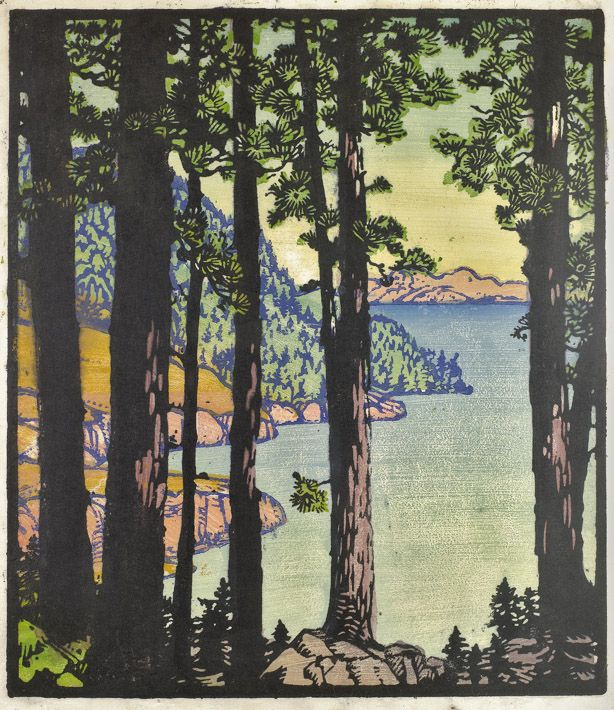
Walter Pater’s 1885 novel Marius the Epicurean inspired Marius in Pasadena. Set in Italy and Rome during the reigns of Antoninus Pius and Marcus Aurelius, the book draws a picture of the aesthetic life as Pater conceived it in late 19th-century England. It describes an Epicureanism of sympathy and feeling. Pater writes:
“From that theory of life as the end of life, followed, as a practical consequence, the desirableness of refining all the instruments of inward and outward intuition, of developing all their capacities, of testing and exercising oneself in them, till one’s whole nature should become a complex medium of reception, towards the vision—the beatific vision, if one cared to make it such of our actual experience in the world.”
A note about Pasadena.
What early Californians built as a winter resort for patrons in the East in the late 19th century has become a cultural center in the sometimes-incoherent Los Angeles. Here, we find structures built by the architects Charles and Henry Greene, Frank Lloyd Wright, and Frederick Roehrig. In its galleries, you can see paintings by Rembrandt and Giorgione, Claude and Degas, Matisse and Modigliani. It is home to Caltech, NASA’s Jet Propulsion Laboratory, and Huntington’s extensive research library that contains millions of works from as early as the 11th century—all of this in a suburb of 140,000 souls.